
Arris Surfboard
Making home networking hardware understandable to people who don't want to learn it.
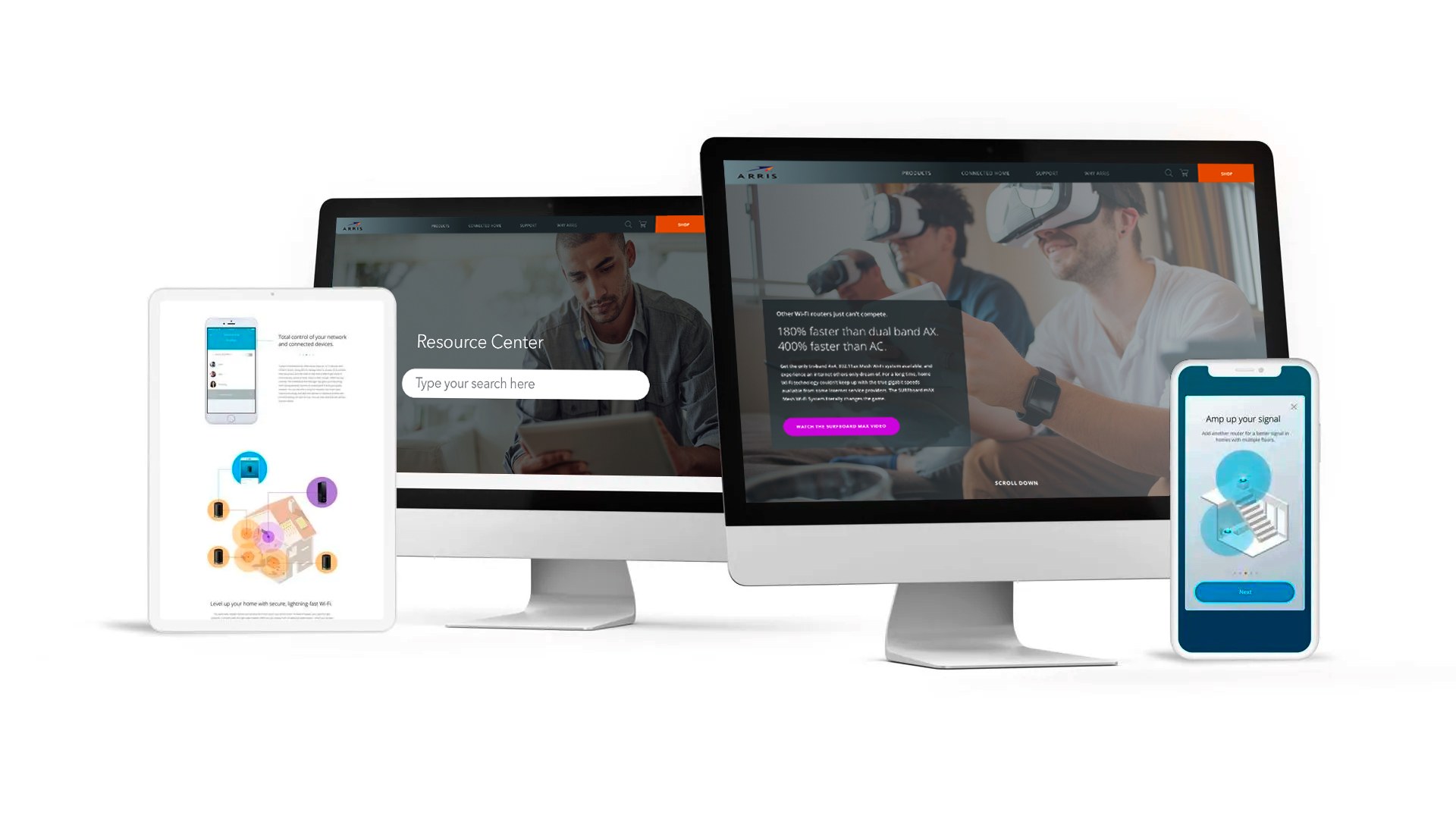
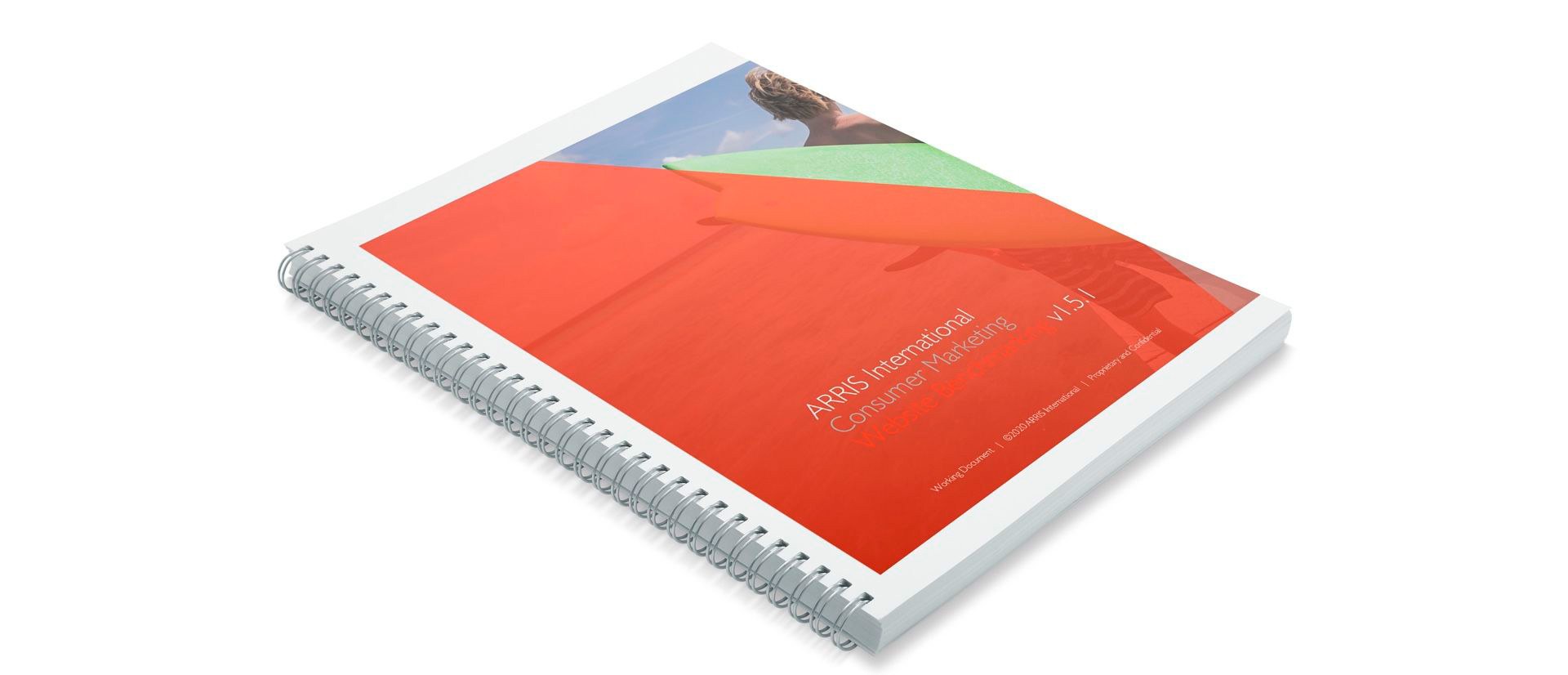
ARRIS SURFboard was not a single website redesign. It was a connected product ecosystem spanning ecommerce, support, device setup, mobile apps, point-of-sale configuration, personas, customer journeys, and design-system foundations.
The program grew from zero to 15 million users, so every decision had to hold up at that scale, across retail partners, firmware generations, and a customer base that ranged from network enthusiasts to people who had never opened a router box.
Role & timeline
- Role
- UX lead
- Timeline
- Multi-year program
- Responsibilities
- Requirements gathering, competitive analysis, UX strategy, user flows, interface design, app experience design, engineering collaboration
- Key skills
- Ecommerce, device setup UX, customer journey, design systems, team management
Problem
Customers had to pick the right networking product, set it up correctly, and manage it with confidence, across touchpoints that had never been designed to work together.
Goal
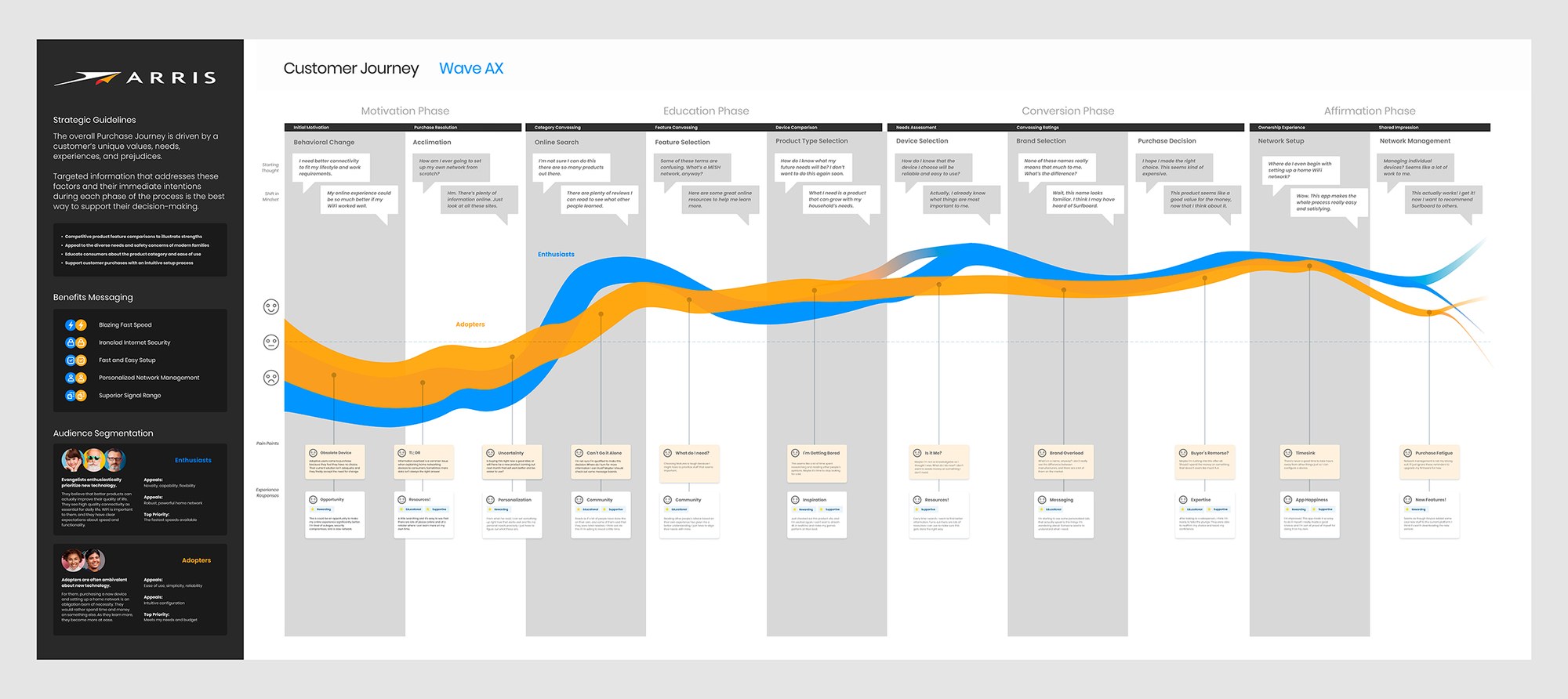
Connect marketing, purchase decisions, onboarding, device setup, and ongoing management into one coherent experience.
01
Overview
Most people buying home networking hardware aren't sure what they need. They have to weigh their provider, their speed tier, their home layout, and a wall of specs that mean nothing to them. Then the box opens and setup has to go well enough that nobody calls support.
My role covered requirements gathering, competitive analysis, UX strategy, user flows, interface design, app experience design, and working with engineering across several product and brand initiatives.
Why this matters
- Customer journey across marketing, retail, and support
- App and device setup UX
- Ecommerce and product comparison
- Design-system foundations shared across brands
02
Research & archetypes
Competitive analysis showed how other networking brands handled compatibility, spec density, and setup guidance. Almost everyone made the same mistake: products were shown as spec sheets instead of answers to a question about the customer's own house.
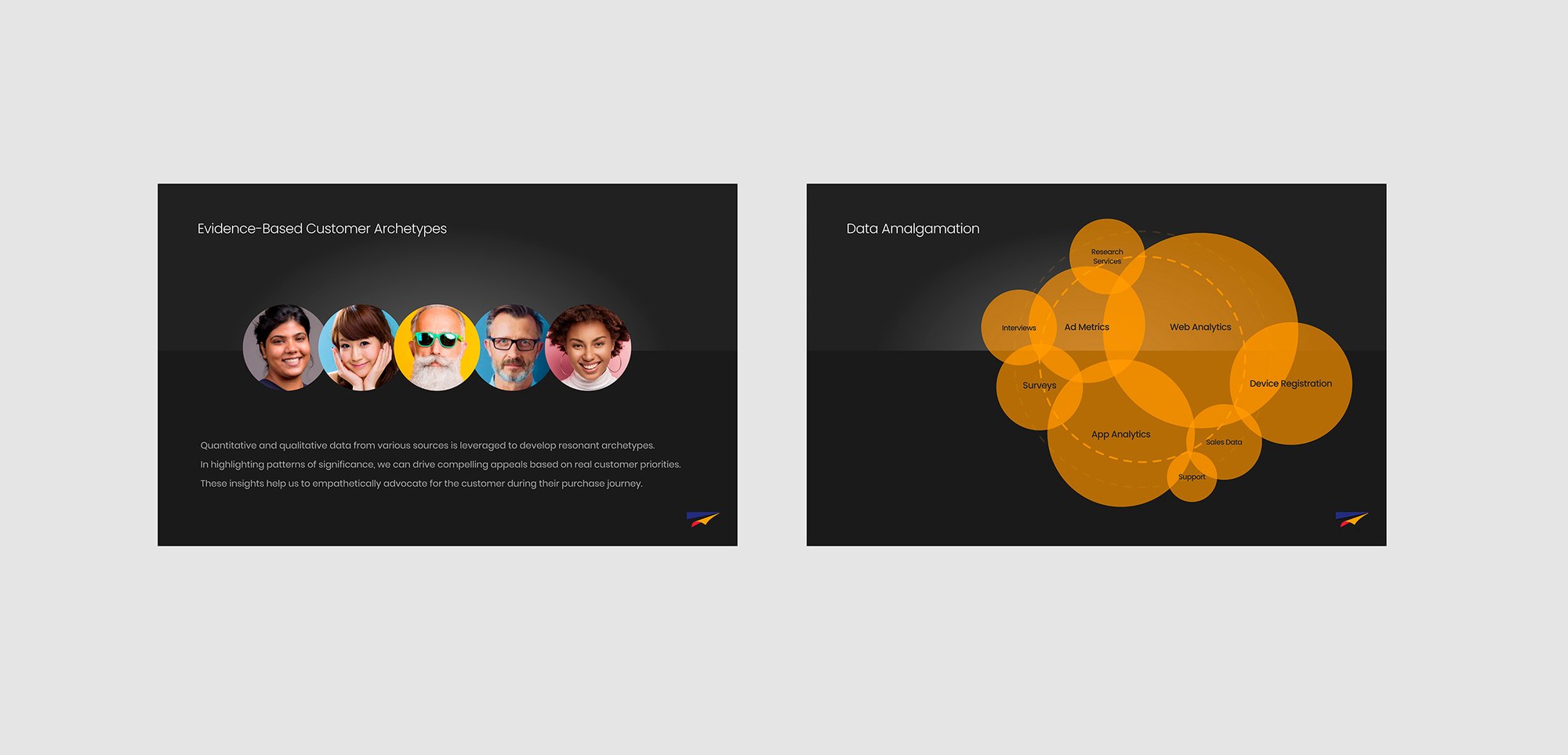
We built archetypes from real purchase and support behavior: the enthusiast who wants control and throughput data, the pragmatist who wants the box that works with their provider, and the reluctant buyer replacing rented equipment to stop paying a monthly fee. Each archetype needed a different way into the same catalog.
03
Design
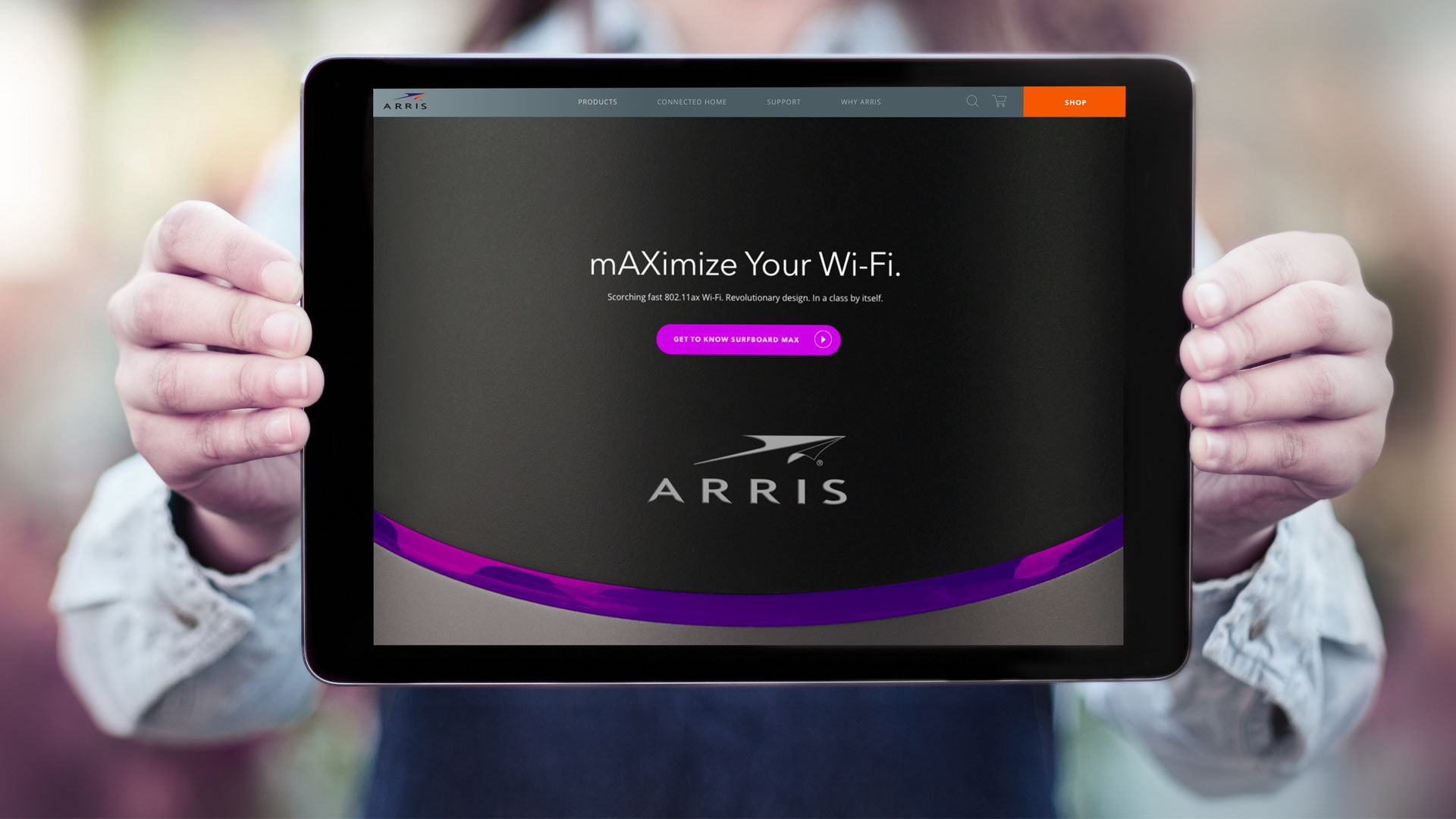
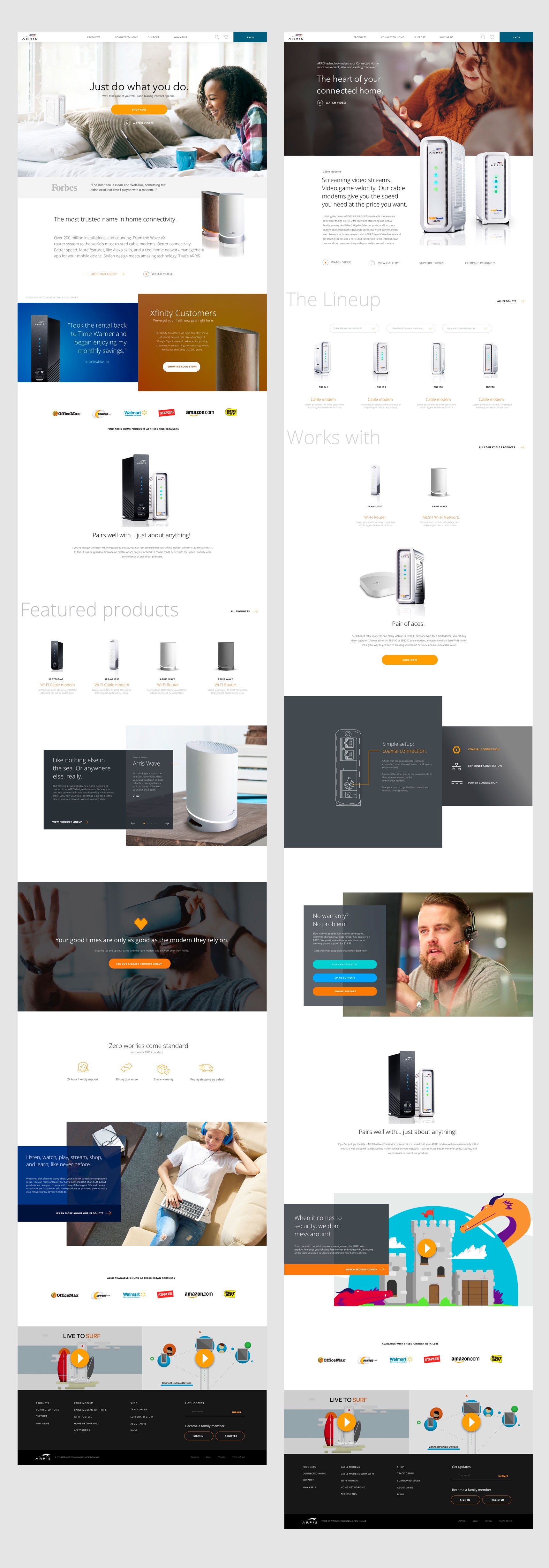
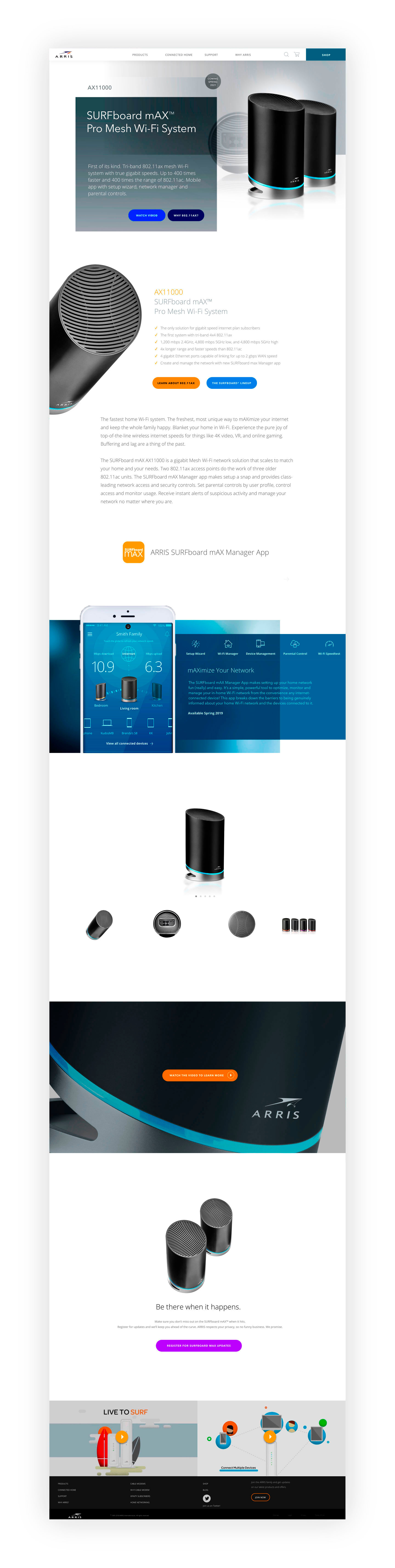
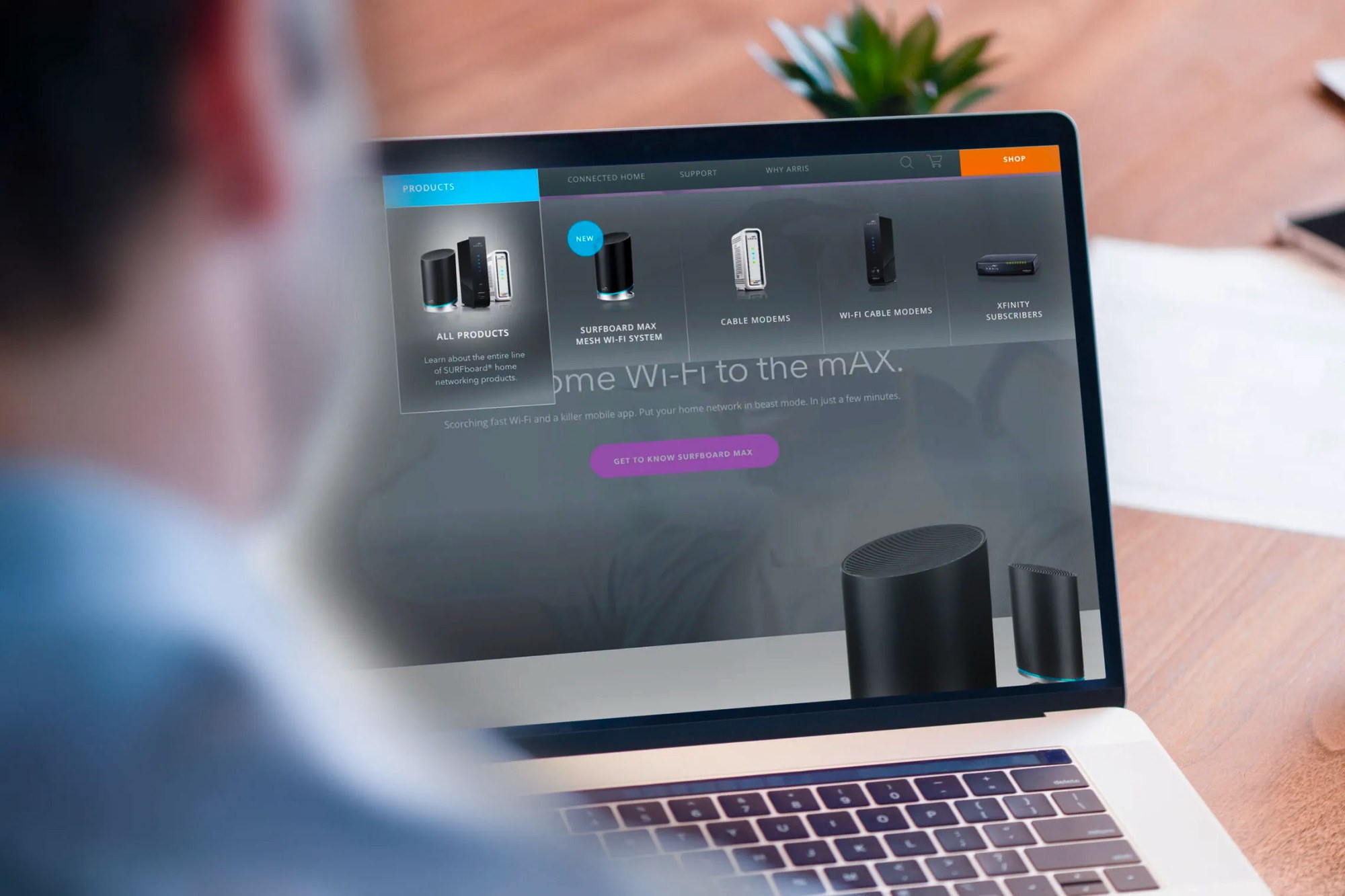
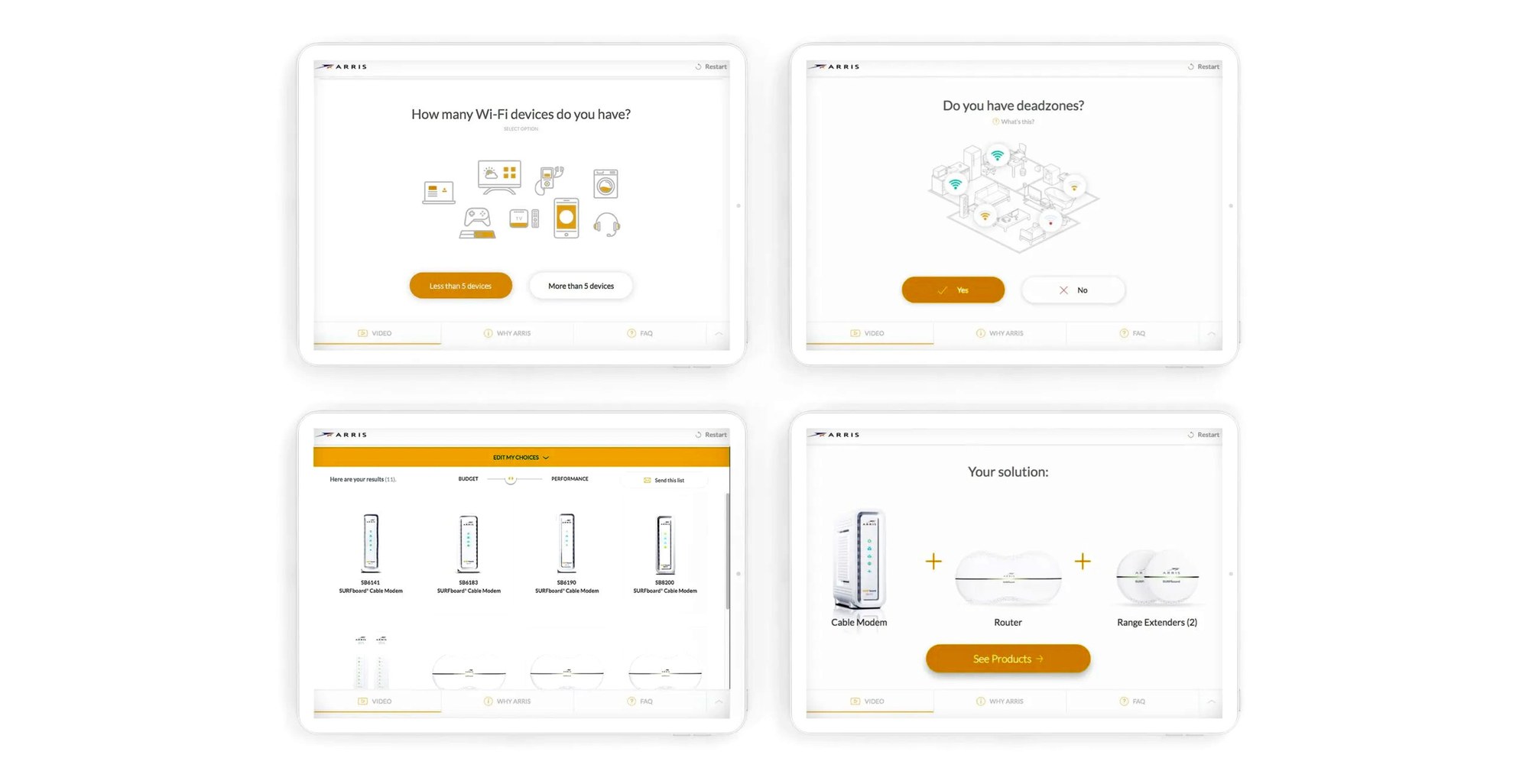
Navigation and product pages were rebuilt around compatibility and outcome rather than model number. Product pages led with what the device does for a household, then let enthusiasts dig into channels, standards, and throughput. Comparison and provider-compatibility checks were pulled forward so people could decide without leaving the page.
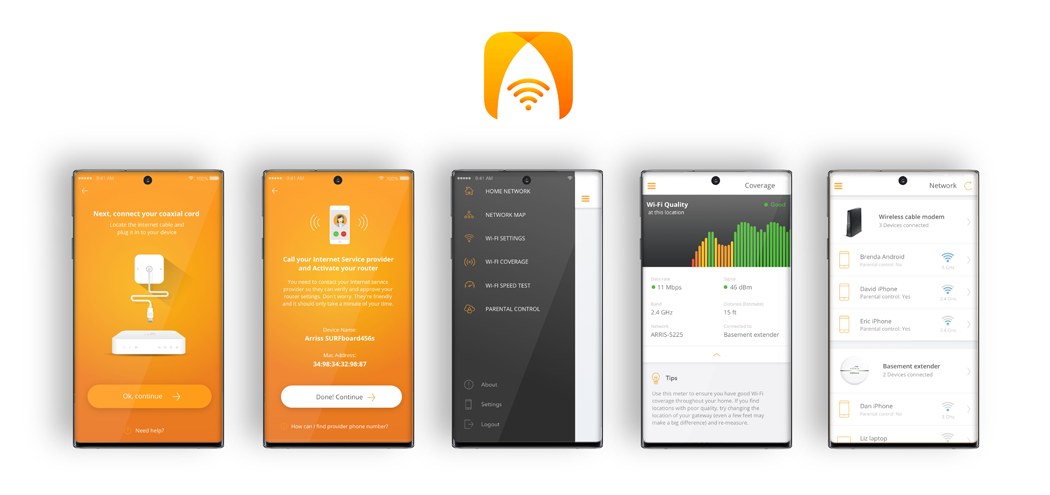
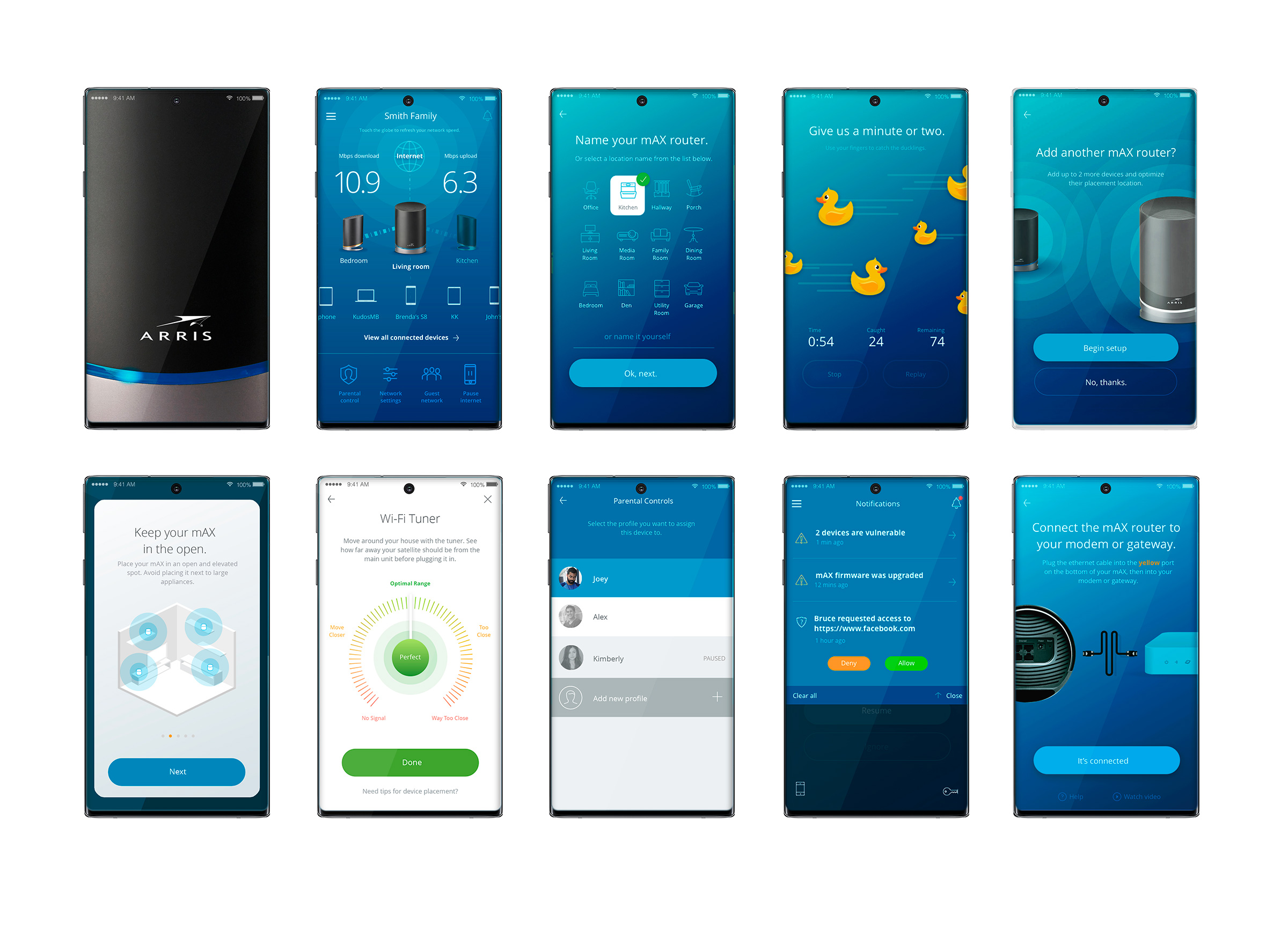
The mobile app carried the second half of the journey: guided setup, network status, connected devices, parental controls, and troubleshooting. Setup worked like onboarding, with short steps, plain language, and a clear way to recover when something didn't connect on the first try.
04
App + device setup
Two apps had to solve the same setup problem. SURFboard Central covered cable modems and gateways; mAX covered the mesh Wi-Fi system, where placement and satellite pairing add steps a modem never needs.
Both flows start with the physical device (coax or ethernet, lights, provider activation) before anything on screen asks for a password. After setup, the apps shift to the jobs people actually return for: Wi-Fi quality by room, connected devices, parental controls, and firmware and security notices.
05
Design system
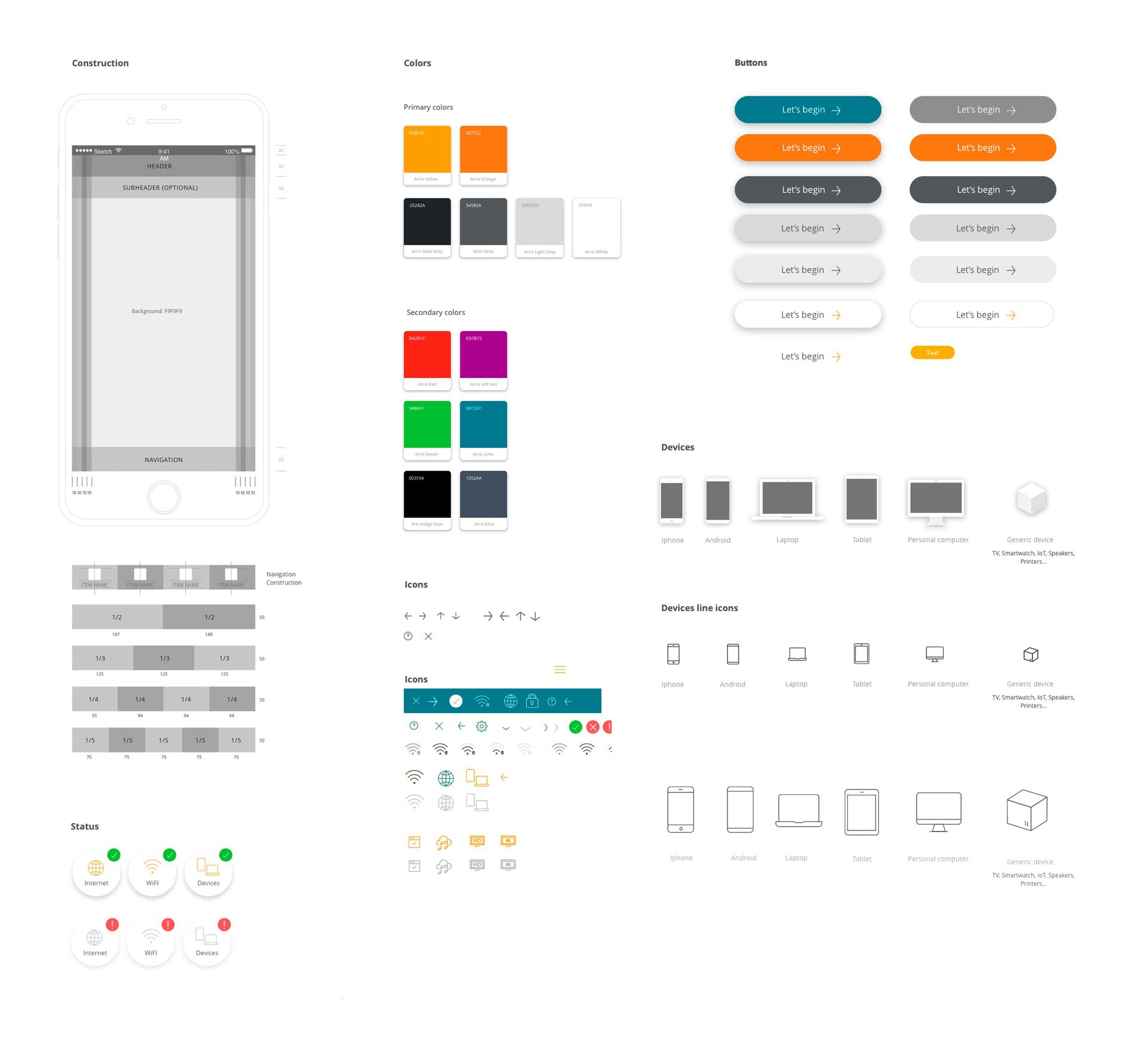
The work spanned ecommerce, support, point-of-sale configuration, and native app surfaces, so consistency had to live in the components, not in a style guide. We defined shared type, color, controls, cards, status states, and setup patterns so the touchpoints matched and engineering could build without reinventing anything.
06
Impact
The ecosystem grew from zero to fifteen million users. Purchase, setup, and management stopped being three separate products owned by three separate teams, and fewer customers ended up in support on the way to a working network.
Fifteen million users came from designing the whole journey, not just the website.